You can recognize a Tikbalang by what it does — not necessarily by what it looks like.
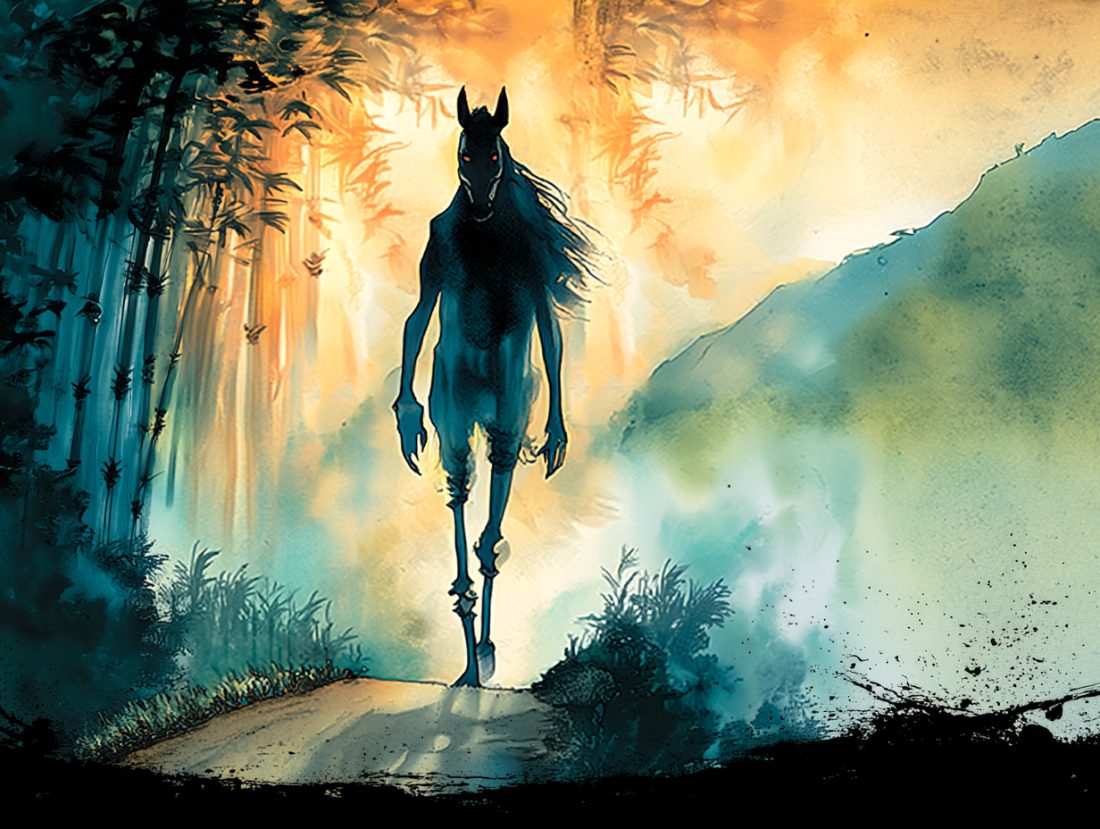
Ask ten people what a Tikbalang looks like and you'll get more than one answer. Horse-headed man on human legs. Man's torso on a horse's body. A horse standing upright on two legs, too tall to be natural. The shape isn't fixed — the role is.
Field Notes
- Known for: leading travelers in circles — someone walking a familiar path suddenly can't find their way home, doubling back past the same tree for hours
- Counter-charm: wear your shirt inside out. Why? No one seems to know. It just works.
- The mane: some tellings say pulling three strands of hair from a Tikbalang's mane turns it into a servant, bound to whoever holds them. Getting close enough to try is, understandably, the hard part — getting away afterward may be harder.
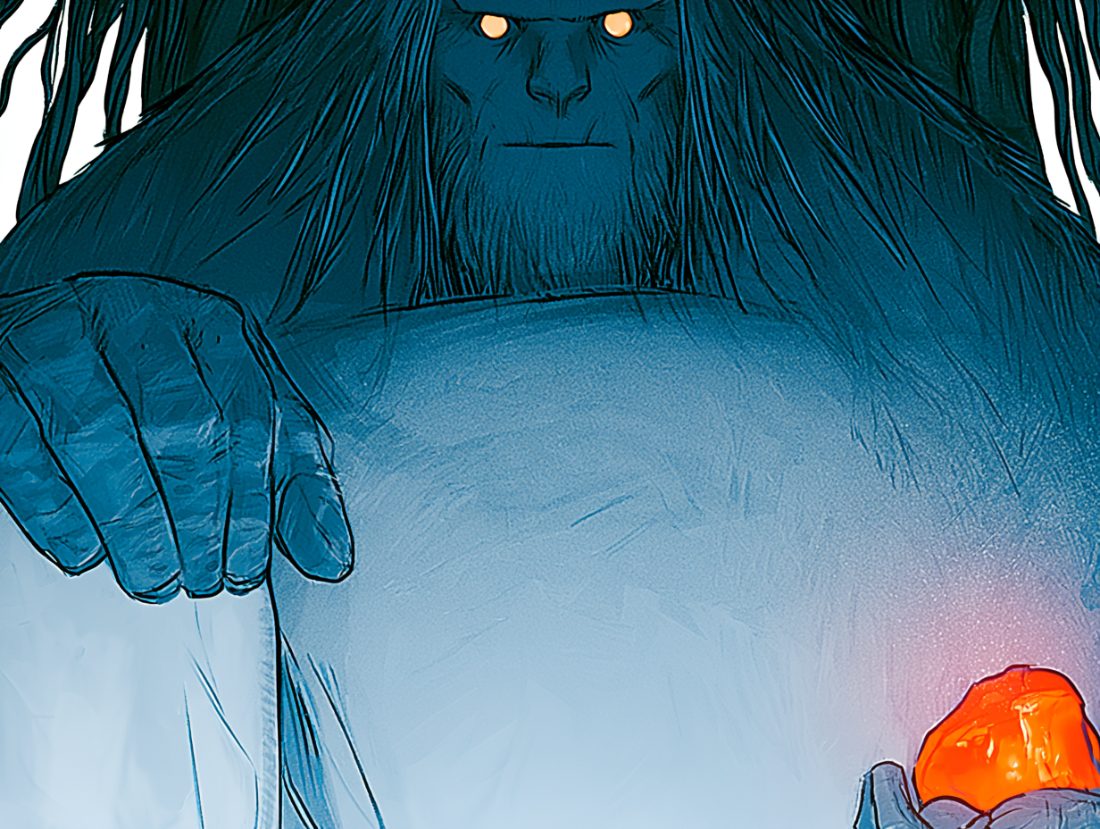
- Where it lives: forests, mountains, and often near a balete tree — the same tree associated with several other guardian spirits, the Kapre included
In Tiktik
The Tikbalang doesn't just mislead travelers — it tells a better version of the walk afterward. Three hours becomes a night. A wrong turn becomes a test survived. It's less a liar than an editor, and by the time it's done, even it half-believes the retelling.
In Tiktik, getting lost isn't always about finding your way home. Sometimes it's about deciding which version of the journey you'll remember.
Quick facts
- Form varies by region: horse-headed man, man with a horse's body, or an unnaturally tall horse
- Best known for leading travelers in circles near their own homes
- Traditional counter-charm: wear your shirt inside out
- Often associated with balete trees, alongside other guardian spirits like the Kapre
- Appears in Book 1, Tiktik: A Summer of Three Names