Walking past an anthill? Say excuse me. Somebody might live there.
Duwende comes from the Spanish duende, which is itself a shortened form of dueño de casa: "owner of the house." The word came with the Spanish. The belief in small spirits who share the land with us, living in mounds, fields, old trees, and the quiet corners of a home, is older than that, and every region tells it a little differently.
What one looks like
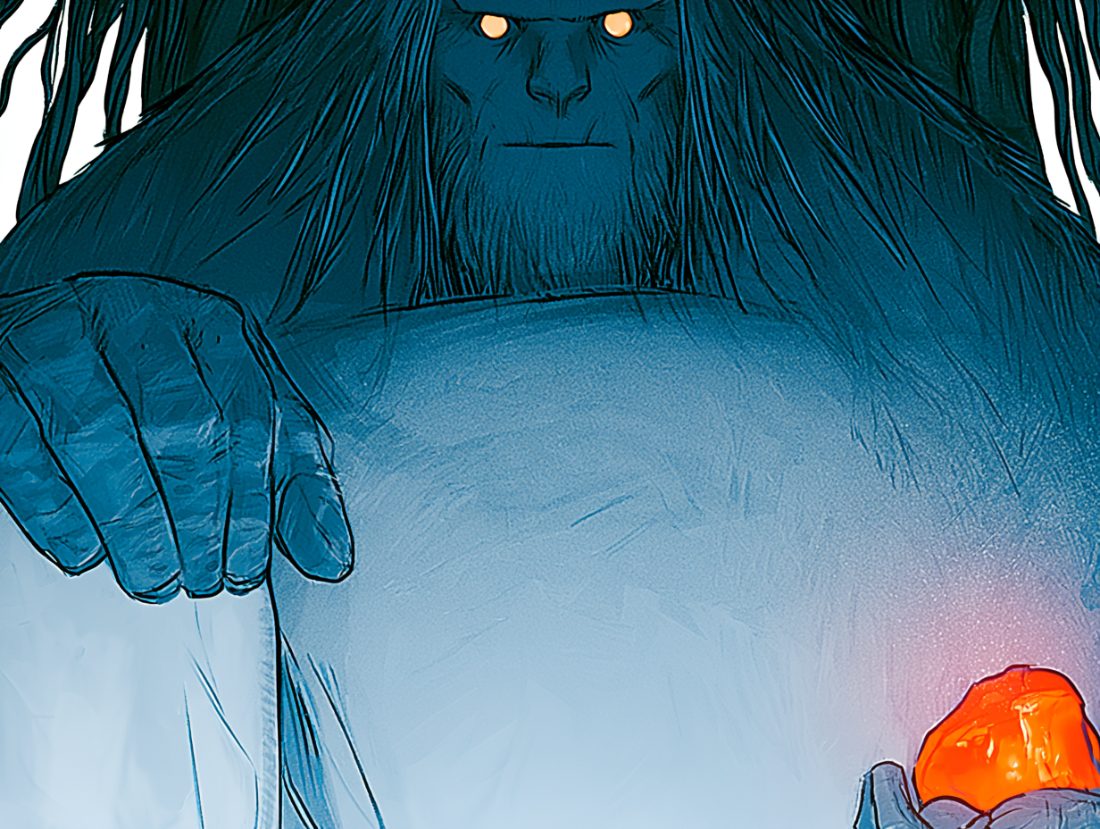
Picture an old man in a body the size of a small child. Most tellings give him a big nose and even bigger hands and feet. Some older accounts get stranger, with a single eye in the middle of the forehead. As with every creature in this guide, the details depend on who's telling it.
Field Notes
- Known for: living close to people without being seen, and remembering how it's treated
- Looks like: a child-sized old man with a big nose and big hands, though descriptions vary
- Lives in: anthills and earth mounds, old trees, fields, and sometimes the house itself
- Said to want: respect, and to be left undisturbed
- The name: from the Spanish duende, short for dueño de casa
Good manners, good luck
Be good to a duwende, and some say it will leave you gifts: luck, food, even treasure. A few stories add a catch. The gift has to be used quickly, or it disappears.
Be rude, and the stories turn. Kick over a mound or make a racket near the wrong tree, and you might wake up with a sudden rash or a fever, the stories say. That's why plenty of lolas still murmur tabi-tabi po when they walk past an anthill, a mound, or an old tree. It means "excuse me, may I pass." It's a small courtesy for a neighbor you can't see.
Some families tell the mound part about the nuno sa punso, the "old one of the mound," and keep it separate from the duwende. Others treat them as the same. Either way, the manners are the same.
Kids see them first
In many tellings, children can see duwende when grown-ups can't. A kid who mentions a little old man by the garden wall might get a knowing look from Lola instead of a laugh.
In Tiktik
The duwende doesn't appear in Book One, but its manners do. When Emily crosses the yard toward the old tree where her brother has made a friend, she says tabi-tabi po "in one terrified word." It's the same courtesy, offered to a different neighbor.
Five fast facts
- Duwende comes from the Spanish duende, short for dueño de casa, "owner of the house"
- Pictured as an old man in a child-sized body, with a big nose and even bigger hands
- Treat one kindly, and it may leave you gifts: luck, food, even treasure
- Children are said to see them when grown-ups can't
- Passing a mound, an anthill, or an old tree? Say tabi-tabi po. Skip it, and the stories warn of a sudden rash
Further reading
- Duwende Lore in the Philippines — The Aswang Project
- Maximo D. Ramos, The Creatures of Philippine Lower Mythology